AREAS OF WORK
My background allows me to work simultaneously with international organizations, public institutions, academia and communities around water governance and climate resilience in Latin America. This capacity to bridge scales, actors and territories defines my professional positioning today.
From this standpoint, I offer five areas of work that integrate different levels of action — from public policy and international cooperation to community strengthening and applied anthropological research — all oriented toward contributing to water security and climate change adaptation.
Each of these areas incorporates human rights, gender and interculturality frameworks, and is coordinated, when needed, with a network of specialists from Latin America and Peru.
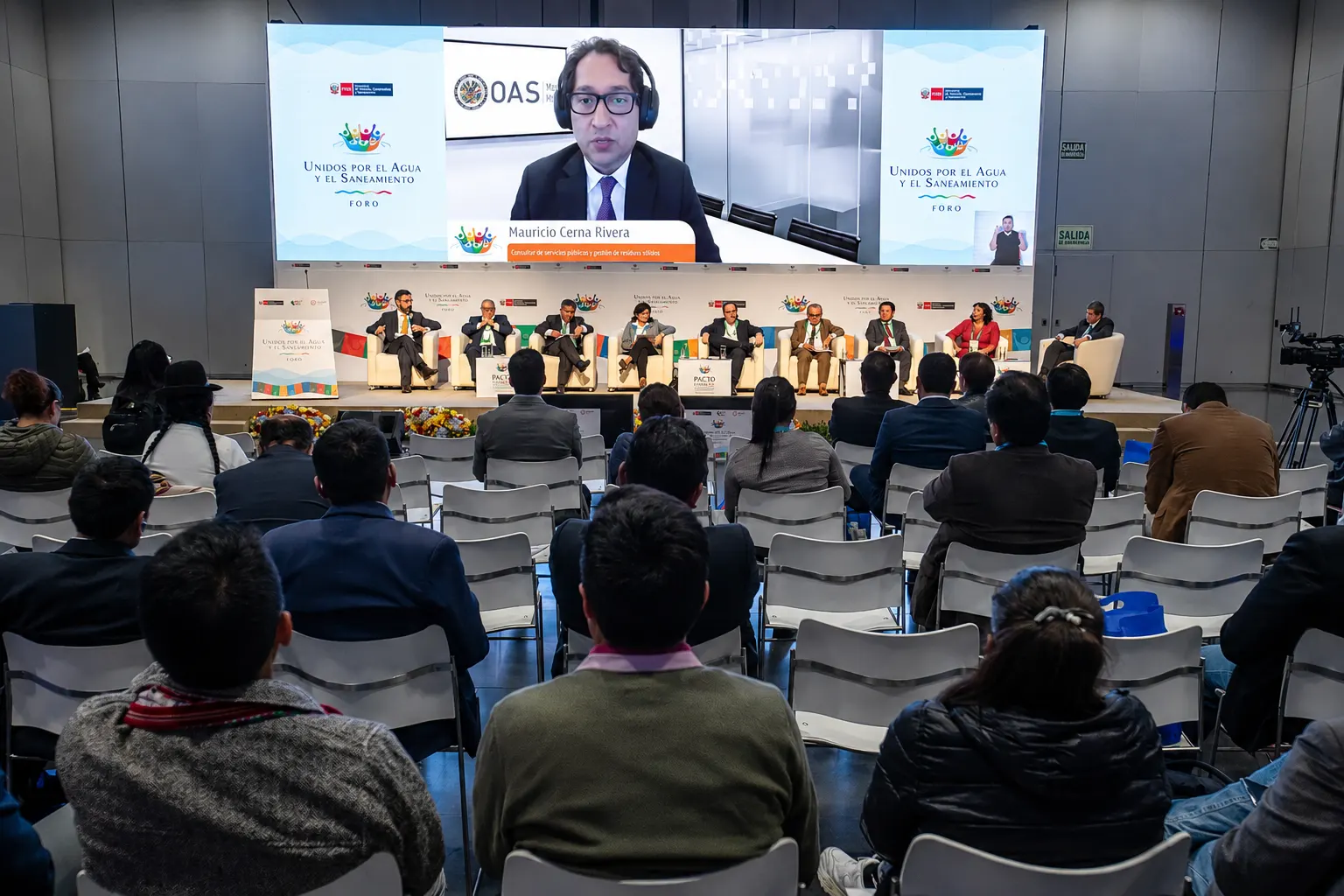
Specialized Services
Public Policy and Regulatory Frameworks for Water and Climate Governance
Advisory services in the design and advocacy of water security, climate change adaptation and risk management policy instruments for national and subnational governments and international organizations, with emphasis on glacial and transboundary watersheds and artisanal fishing ecosystems.
What you get
Policy instruments grounded in technical and social evidence — regulatory frameworks, action plans, advocacy strategies and roadmaps — negotiated with key stakeholders, incorporating human rights, gender and interculturality frameworks, and viable for implementation in contexts of high water and climate vulnerability.
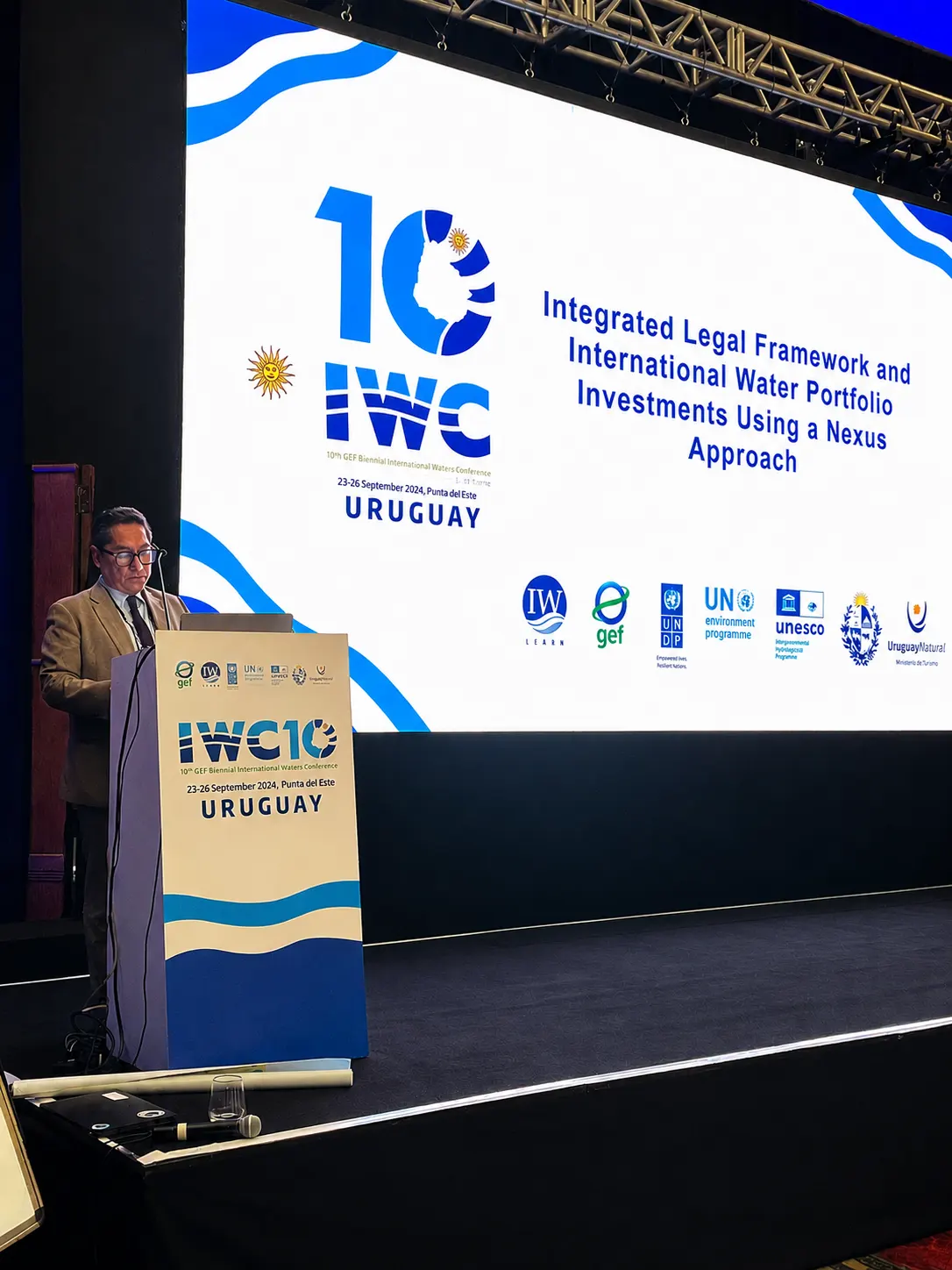
International Cooperation Project Design and Management
Design, formulation and pitching of concept notes and projects before multilateral funds and cooperation agencies. Bridging technical, policy and investment agendas to maximize impact, viability and scaling in water and climate governance processes.
What you get
- Concept notes and projects well-positioned before international funds, with solid technical and social narratives; clear financing strategies; theories of change, SMART indicators, KPIs and viable budgets; and human rights, gender and interculturality frameworks integrated from the design stage — all oriented toward maximizing approval prospects, successful implementation and scaling.
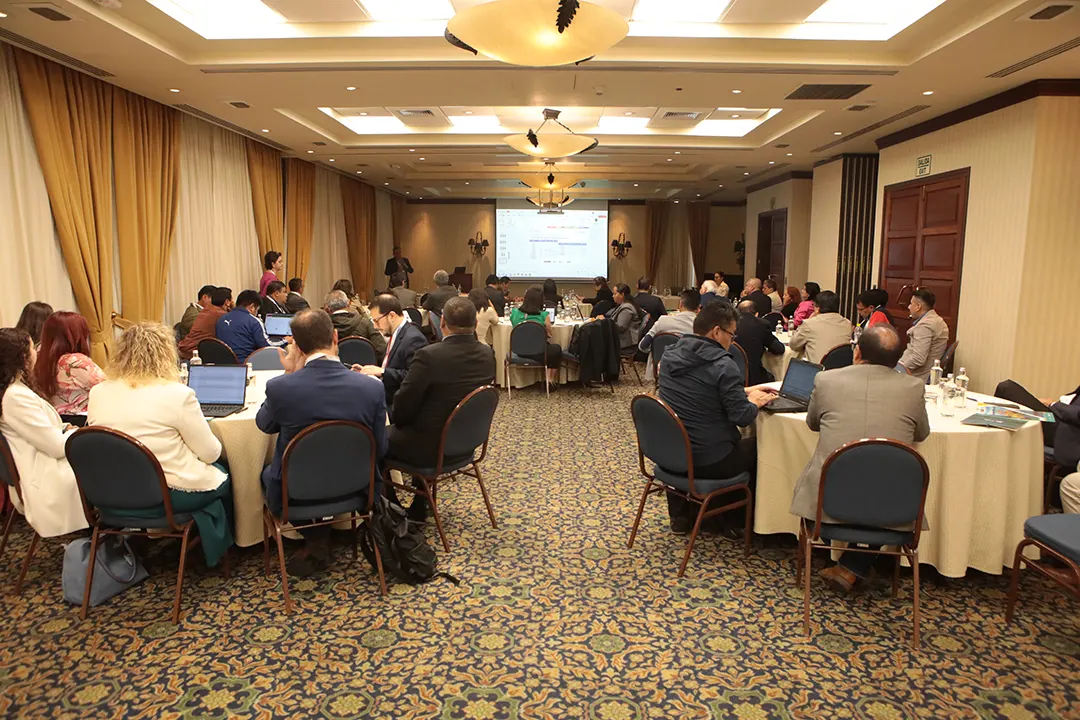
Capacity Building and Community Subproject Formulation
Training programs for decision-makers, technical teams and communities in water governance, climate action and risk management. Support for peasant, indigenous and fishing community organizations in the formulation and implementation of restoration and reforestation subprojects to access cooperation funds.
What you get
Tailored training programs and community organizations with real capacities to design, manage and report on their own projects — with theories of change, SMART indicators and viable budgets — oriented toward organizational autonomy and sustainable access to public and private cooperation funds.
Institutional Coordination and Water Diplomacy
Design and implementation of governance strategies to bring together intergovernmental, governmental, academic and community actors around water and climate agendas. Facilitation of partnerships, technical-policy negotiation processes, support for payment for ecosystem services mechanisms and watershed councils and bodies.
What you get
Events and processes to achieve roadmaps, consensus documents, white papers, inter-institutional agreements and integration agendas incorporating human rights, gender and interculturality frameworks — transforming fragmented dialogue among multi-level actors into concrete commitments and coordinated action for water and climate governance.
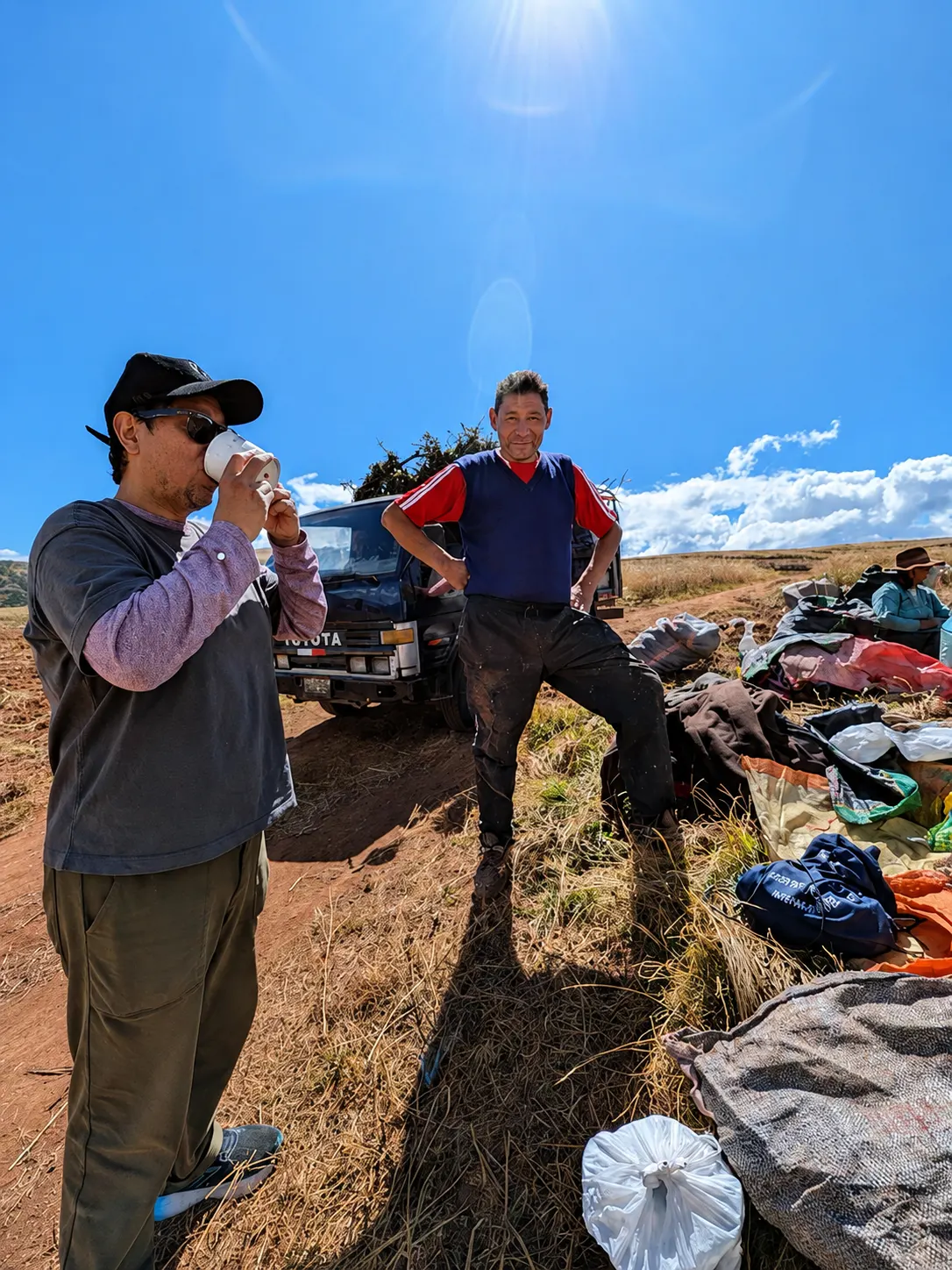
Applied Research for Governance
Sociocultural and political studies on glacial and transboundary watersheds, mountain systems and artisanal fishing zones in crisis, emergency and investment scenarios, to support decision-making. Systematization of experiences and production of specialized knowledge for natural resource and risk governance strategies.
What you get
Publishable diagnostics, baselines, case studies, methodologies and systematizations on governance, institutions, political culture, resilience, social conflict and local knowledge — translated into evidence to strengthen policy processes, project implementation and investment decisions.
Let's talk about water security and climate resilience.
Schedule an initial consulting session to assess governance and institutional coordination challenges in your territory.