KEY ACHIEVEMENTS
Water and climate governance goes beyond the management of water resources — it requires the coordination of actors, institutions and territories in the face of increasingly complex and interconnected challenges affecting water security and climate resilience. Building it demands both robust evidence and regulatory frameworks, and a deep understanding of the social, cultural and political dynamics that shape territories and condition decision-making, policy formulation and the direction of strategic investments.
From this perspective, the social sciences — and anthropology in particular — play a fundamental role in connecting knowledge, collective action, public policy, projects and investments for climate resilience and sustainable development. My work is precisely oriented toward producing knowledge and bridging these processes among communities, States, international cooperation and other actors, contributing to the design and implementation of territorially relevant responses.
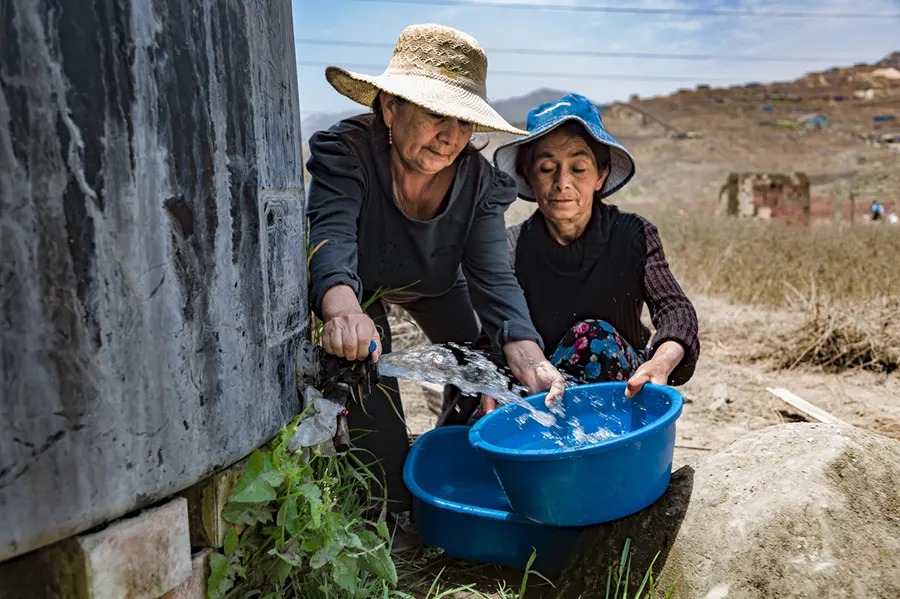
More than USD 30 million mobilized in water and climate governance
I designed and secured funding for six international cooperation projects through GEF, IKI, SDC and the Madrid City Council, and directly coordinated three of them — focused on water security, climate change adaptation and risk management in vulnerable and strategic watersheds. In every case, I bridged technical, policy and investment agendas, leading interdisciplinary and inter-institutional teams.
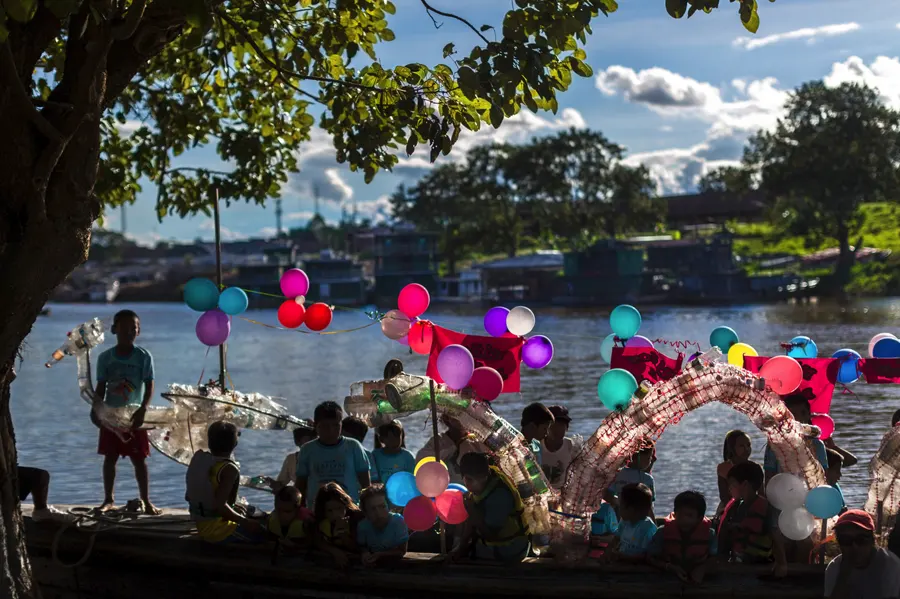
More than 20 dialogue spaces for water and climate governance
I organized and facilitated dialogue processes at three scales — hemispheric, national and territorial. At the hemispheric level, three International Transboundary Water Symposia and regional webinars on glacier retreat, climate change and human rights brought together governments, multilateral organizations, academia and communities. At the national level, regional consultations in Peru convened approximately 900 participants to build the country document for the World Humanitarian Summit. At the territorial level, workshops in the Cañete River watershed strengthened capacities in conservation subproject formulation and the Payment for Ecosystem Services mechanism. In every case, actors from different levels and sectors reached concrete agreements.
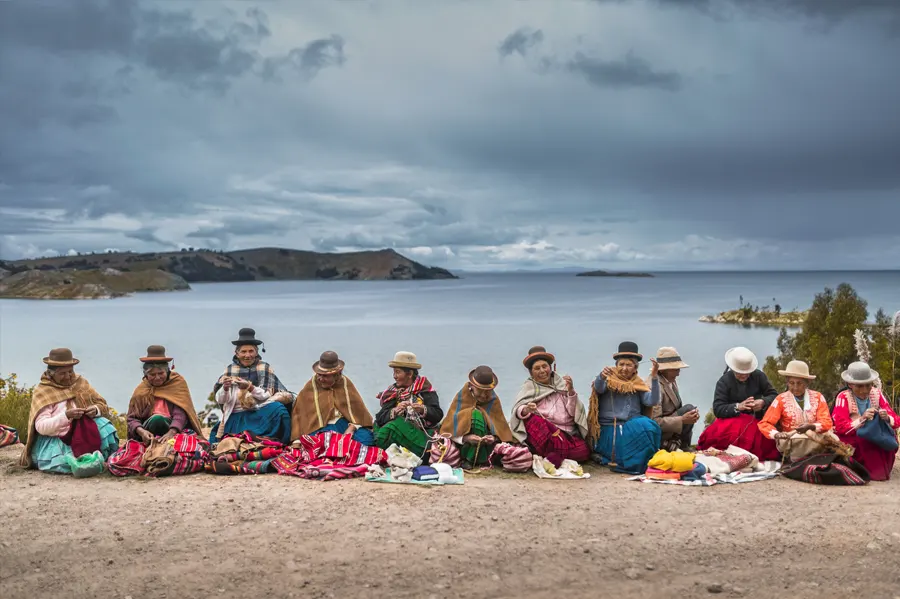
Two capacity-building programs for water governance, climate action and conservation
I designed and implemented the training program of SDC’s Glaciers+ Project, enabling peasant community leaders in the upper Cañete River watershed to formulate financeable conservation subprojects within a Water Ecosystem Services Payment mechanism. I also co-designed and delivered the Climate Action Program of the OAS and IDB Water Program for the Americas, strengthening the capacities of decision-makers across Latin America and the Caribbean in climate finance, nature-based solutions, resilient infrastructure and human rights in the context of climate change.
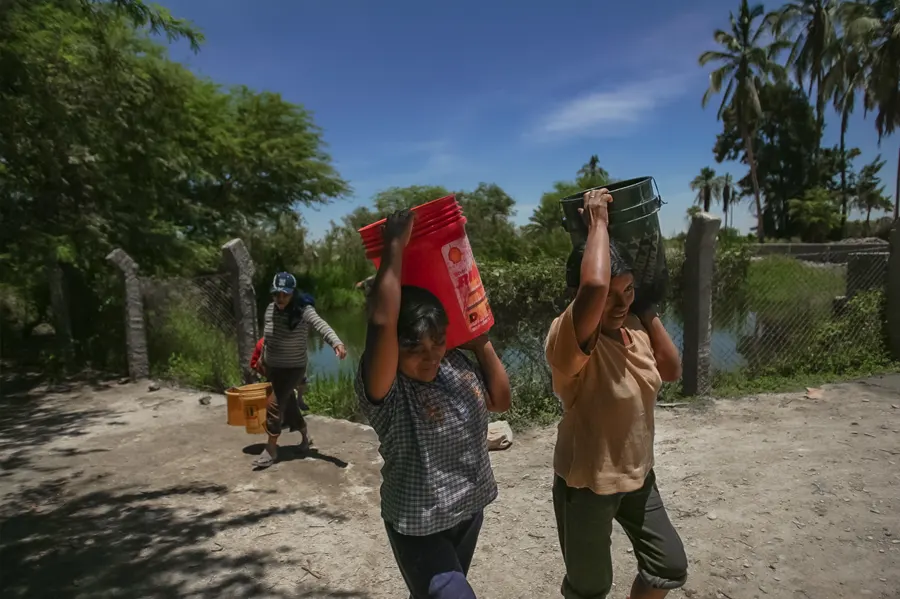
Gender and interculturality agenda in hemispheric and Peruvian water and climate policy
I positioned human rights, gender and interculturality frameworks within the NDCs and water agenda of Latin America and the Caribbean through specialized publications with the OAS and intergovernmental and civil society dialogue processes — making women and indigenous peoples visible as key actors in water and climate governance.
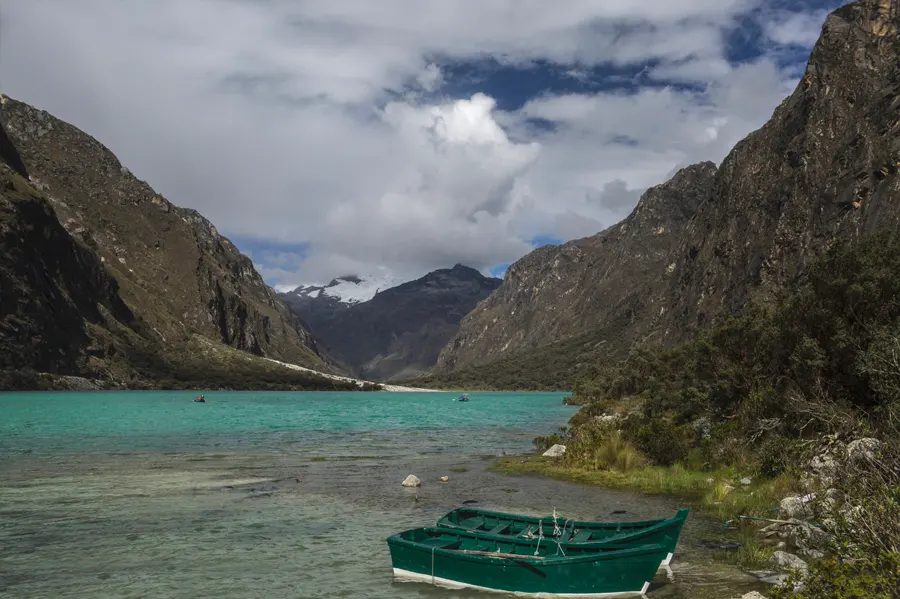
Glaciers and mountain ecosystems agenda in regional and Peruvian climate policy
I positioned tropical glaciers and high mountain ecosystems within regional climate policy processes, including the NDCs of Peru, Colombia, Bolivia and Ecuador — bridging scientific evidence, political agendas and community knowledge, and connecting academics, government officials and communities around one of the region’s most urgent climate challenges.
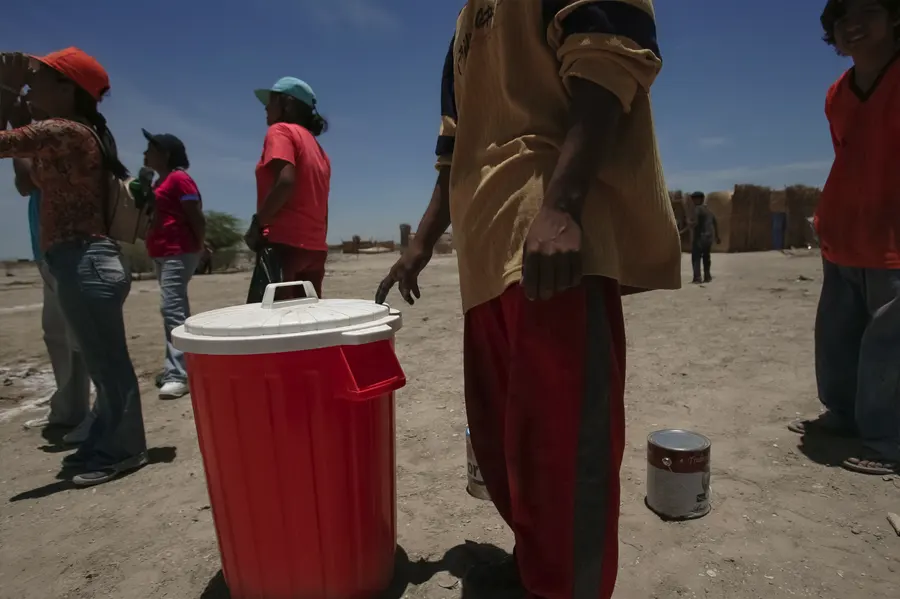
Action Plan Proposal on Forced Migration due to Climate Change Effects for IOM
I developed the base document for the Peruvian State’s Action Plan to address climate migration, aligning CEPLAN’s guidelines with international frameworks for migrant protection and climate action — producing a policy instrument built at the intersection of migration, climate and human rights.
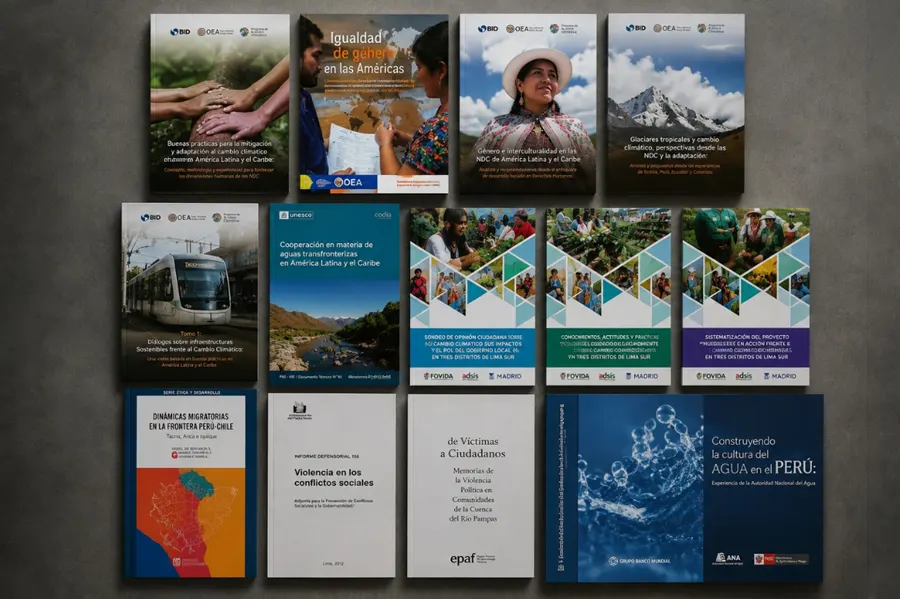
More than 15 specialized publications with multilateral organizations, the Peruvian State and civil society organizations
I produced and co-authored publications with the OAS, UNESCO and CIRDI, among others, on water governance, tropical glaciers, gender and interculturality, climate good practices and water culture — documents that now circulate among governments, international organizations and academic spaces across Latin America.